The Benefits of Selling Scrap Metal: A Source of Income
In today’s economy, finding additional income streams can be crucial for many households. One often overlooked opportunity is selling scrap metal. This activity not only gives you more money but also helps protect the environment by cutting down on waste and preserving natural resources. For many, it’s surprising how standard and accessible this income stream can be.
For those living in the Passaic County area, places like scrap metal recycling Passaic County NJ, provide a convenient and effective way to turn unused materials into money. Understanding the complexities of the scrap metal sector and the beneficial effects of recycling on the environment can increase the satisfaction of engaging in this activity. Let’s explore various aspects of selling scrap metal that make it a worthy consideration.
Financial Benefits
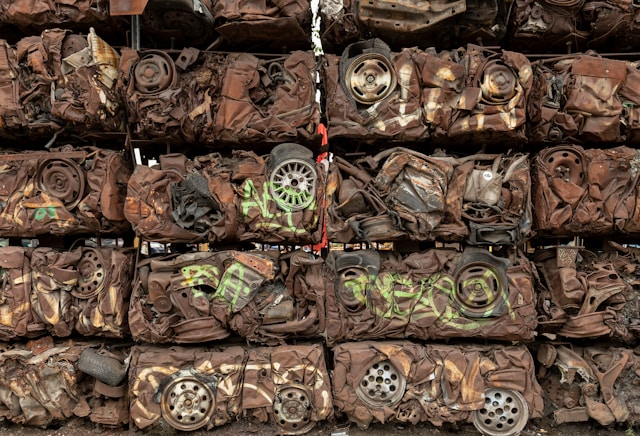
One of the primary incentives for selling scrap metal is the financial gain. Whether you have obsolete appliances cluttering your garage, old car parts gathering dust, or leftover construction materials from a recent renovation, turning them into cash is straightforward. The simplicity of this process is its beauty; collect the scrap metal and take it to a recycling center. Facilities specializing in scrap metal recycling offer an easy way to sell various types of metals without a hassle, making it an accessible side income for many people.
The financial benefits are not limited to individuals but also extend to businesses. Companies can significantly reduce waste disposal costs by recycling scrap metal. It’s a win-win situation where unused materials are monetized, creating an additional revenue stream that can be particularly attractive in economically challenging times.
Environmental Impact
Selling leftover metal benefits your finances and is crucial in safeguarding the environment. According to the EPA, repurposing metals helps reduce greenhouse gas emissions and protects natural resources such as iron ore, coal, and limestone. Recycling one ton of steel saves 1.5 tons of iron ore, half a ton of coal, and 120 pounds of limestone. This eco-friendly approach helps reduce carbon footprint and promotes sustainability.
By recycling scrap metal, you’re not just reducing the need for new metal production, which typically involves energy-intensive and environmentally damaging mining and processing. Instead, you’re contributing to a cycle of reuse and sustainability that benefits the planet. Your actions in selling scrap metal contribute to a more significant environmental cause, making it a meaningful effort beyond financial gain.
Types of Scrap Metal to Sell
There are several types of scrap metals that you can sell for a profit. Common materials include copper, aluminum, steel, brass, and iron. Each metal has market value, so knowing its current prices and types is essential to maximize earnings. Copper, for instance, is one of the most valuable and sought-after metals due to its high conductivity and widespread use in electrical wiring and plumbing systems.
Aluminum, often found in beverage cans, window frames, and car parts, is another lucrative material due to its lightweight and corrosion-resistant properties. Steel, used extensively in construction and manufacturing, can also bring a significant return. Even smaller amounts of metals, such as brass used in fixtures and fittings or iron from old machinery, can add up to a substantial sum.
Understanding the types and current market demand for these metals can help you decide which items to prioritize. The goal is to collect and sell high-value metals while responsibly disposing of less valuable materials.
Market Prices and Trends
Staying updated with current market prices is crucial to get the best value for your scrap metal. Metal prices fluctuate based on various factors, including global demand, economic conditions, and the availability of raw materials.
Monitoring these trends can be particularly beneficial for businesses that produce scrap metal as a byproduct of their operations. You can maximize your returns by selling at peak times when prices are high. Moreover, by being aware of market trends, you can pinpoint the scrap metals that are currently sought after, enabling you to streamline your collection efforts.