
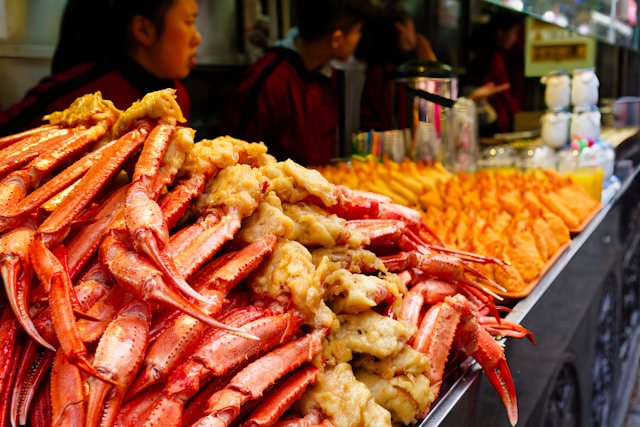
Innovative Food Display Solutions for Modern Retailers
Table of Contents
- The Importance of Food Displays
- Emerging Trends in Food Display
- Sustainability in Food Displays
- Practical Tips for Modern Displays
- Case Studies: Successful Implementations
- Future of Food Display Technology
- Conclusion: A New Era of Food Displays
The Importance of Food Displays
Food displays play a crucial role in retail settings, driving sales and enhancing customer experience. Whether it’s hot food displays or fresh produce, the way items are presented can significantly impact consumer behavior. Studies show that appealing displays attract more shoppers and increase dwell time, leading to higher purchase rates. A recent survey highlighted that over 70% of purchase decisions are made in-store, underscoring the need for appealing displays. Moreover, well-designed displays can make navigation easier in large stores and encourage impulse buys, which collectively contribute to a boost in overall sales.
Emerging Trends in Food Display
With evolving consumer preferences, retailers are adopting innovative display solutions. Open-air displays, sleek refrigeration units, and multi-tiered shelving are becoming popular. According to Food Navigator, these trends not only attract shoppers but also optimize space and enhance aesthetics. Advances in technology have also led to the popularity of digital signage, which allows retailers to update their displays in real time, making them more dynamic and engaging. Modern retailers continually seek new ways to captivate their customers, and effective food displays are at the forefront of this strategy. Interactive displays that offer recipe suggestions or nutritional information are also gaining traction, providing an enriched shopping experience that goes beyond mere product presentation.
Sustainability in Food Displays
Sustainability is no longer optional; it’s a necessity. Retailers increasingly use eco-friendly materials and energy-efficient technologies to minimize their environmental footprint. Incorporating sustainable practices into food displays meets consumer demand for green solutions and reduces costs. Retailers can make their displays more sustainable by using energy-efficient refrigeration units, biodegradable packaging, and recycled materials. Furthermore, advancements in LED lighting and energy management systems have made it easier for retailers to reduce their carbon footprint without sacrificing display quality. Sustainable displays are in high demand as consumers grow more ecologically conscientious. Therefore, merchants hoping to draw in a contemporary, eco-aware clientele would be wise to make the investment.
Practical Tips for Modern Displays
- Use vibrant colors to catch customer interest: Bright and bold colors can draw attention and make displays more appealing.
- Ensure products are easily accessible and visible: Strategic placement at eye level can enhance visibility and encourage sales.
- Regularly update displays to keep them fresh and appealing: Seasonal themes and regular changes can keep customer interest alive.
- Integrate digital signage for interactive experiences: Digital screens can provide valuable information and engage customers in new ways.
Finding the right mix between usefulness and aesthetic appeal is crucial. A well-arranged display looks good and makes it easier for customers to find what they need, ultimately enhancing their shopping experience. A sense of urgency and a desire for speedy purchases can also be generated by using themed displays for holidays or special occasions. To guarantee peak performance, retailers should constantly assess and adjust their displays in response to input from customers and sales statistics.
Case Studies: Successful Implementations
Many retailers have seen tremendous success by innovating their food displays. For instance, a Midwest grocery chain reported a 20% increase in produce sales after revamping their display units. By utilizing tiered shelving and enhancing lighting, they made their fruits and vegetables more appealing and easier to access. Another illustration is a bakery that showcased its goods using tiered shelving and digital screens, which raised customer interaction and boosted sales. Incorporating smart technology allowed them to provide real-time updates on product availability and promotions, significantly enhancing the shopping experience.
Future of Food Display Technology
As technology advances, the future holds exciting possibilities like AI-driven displays that provide personalized recommendations based on customer demographics and purchase history. This integrated approach could revolutionize the shopping experience by offering tailored suggestions and enhancing overall satisfaction. Imagine walking into a store where the displays automatically adjust to show the items most relevant to you—it’s not as far-fetched as it sounds! Customers may be able to see things in their homes before making a purchase thanks to augmented reality (AR) applications, which would provide even another level of interaction and involvement. The combination of data analytics, IoT (Internet of Things), and artificial intelligence will surely result in better, more customer-focused food displays.
Conclusion: A New Era of Food Displays
In conclusion, innovative food display solutions are essential for modern retailers looking to boost sales and improve the shopping experience. By embracing new trends and sustainable practices, they can stay ahead in a competitive market. Whether it’s through technology or design, the future of food displays looks promising, paving the way for a new era in retail. From interactive displays to sustainable materials, the possibilities are endless, and the benefits are substantial. Retailers who invest in innovative food display solutions will not only enhance their customer experience but also see significant improvements in their sales and brand loyalty. In this rapidly changing retail landscape, staying ahead of the curve is crucial, and food displays are an integral part of that strategy.